Full Adjunct Professor · Biological & Agricultural Engineering

Tien-Chieh Hung

Engineering aquatic systems for conservation, culture and environmental resilience.

At UC Davis, I direct the Fish Conservation & Culture Laboratory, a university-operated conservation hatchery and research facility. My research integrates aquacultural engineering, aquatic biology and artificial intelligence. I develop technologies for conservation aquaculture, reproductive management, water treatment and non-invasive animal monitoring, working with universities, agencies and industry to move research into practice.

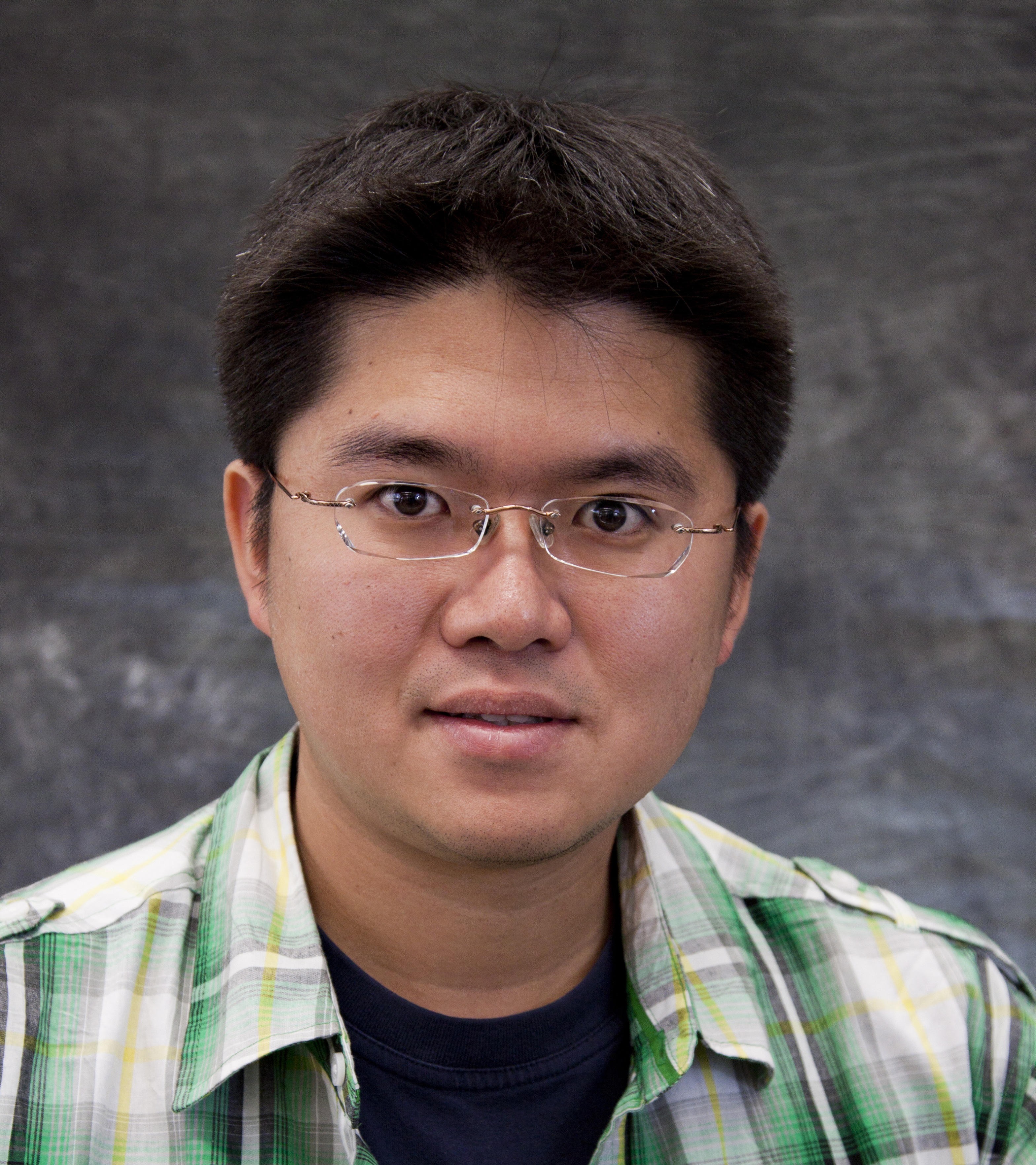
Portrait of Tien-Chieh Hung
109peer-reviewed journal articles
$44.7Mtotal sponsored funding as Principal Investigator
2patents and patent applications
28h-index · Google Scholar, August 2026
Research portfolio

From environmental drivers to population outcomes

The work follows aquatic organisms across their life cycles and connects controlled experiments, hatchery operations and engineered systems. Each research direction below pairs its scientific questions with representative first- or corresponding-author publications.

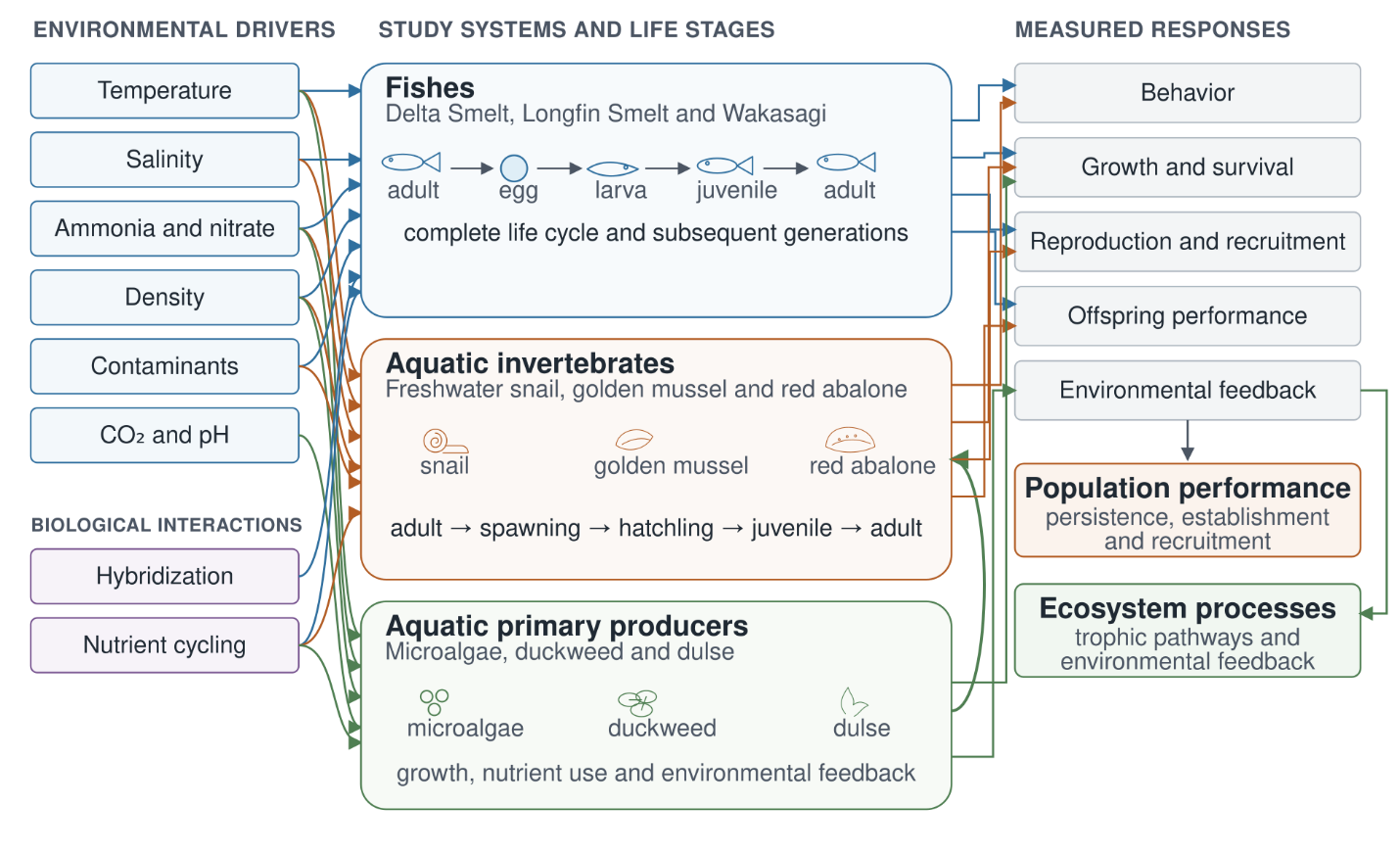
My group studies how environmental and biological drivers shape behavior, growth, reproduction, recruitment and ecosystem feedback. Fishes—including delta smelt, longfin smelt and wakasagi—are central systems, alongside aquatic invertebrates and primary producers that broaden the engineering and ecological questions we can address.

Research framework linking environmental and biological drivers to fishes, aquatic invertebrates and primary producers, with responses measured from behavior through population performance and ecosystem processes.
How environmental drivers act on study systems—from fishes (delta smelt, longfin smelt, wakasagi) and aquatic invertebrates (freshwater snail, golden mussel, red abalone) to primary producers (microalgae, duckweed, dulse)—and the responses measured across scales, from behavior to ecosystem processes.
01

Conservation hatcheries for imperiled fishes

Building and operating conservation hatcheries for delta smelt and longfin smelt requires more than captive propagation. The research addresses refuge populations, reintroduction and supplementation science, and the effects of captivity across generations—including domestication, epigenetics and captive ancestry.

This work is grounded in long-term hatchery operations and in experiments that connect individual performance with population-level conservation decisions.

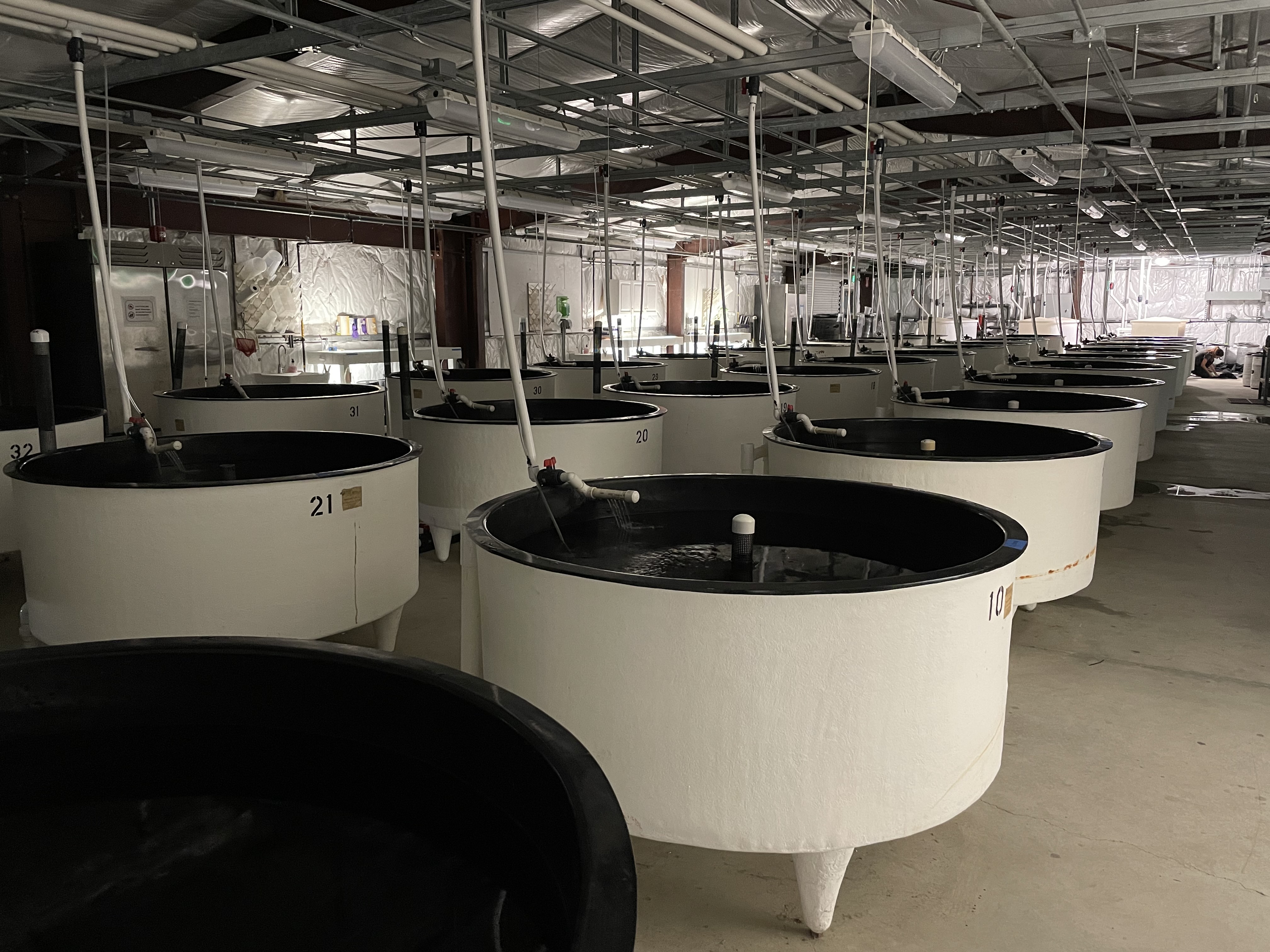
Rows of circular culture tanks inside the conservation hatchery
Culture tanks at the conservation hatchery

Active sponsored work

2024–2029

UC Davis Longfin Smelt Culture Development Program, Years 4–8

Developing and refining captive culture methods for longfin smelt to support research and potential supplementation. The program links husbandry, life-cycle completion and conservation planning.

California Department of Water Resources · co-PI

Completed sponsored work

  • 2020–2025Conservation hatchery operation for delta smelt refuge population maintenance and supportCooperative Ecosystem Studies Unit · Principal Investigator
  • 2021–2024UC Davis Longfin Smelt Culture Development ProgramCalifornia Department of Water Resources · co-PI
  • 2020–2023Quantifying genetic and epigenetic variation in delta smelt that may enable adaptation to future environmentsCalifornia Department of Fish and Wildlife Proposition 1 · co-PI
  • 2020–2023The molecular basis of hatchery adaptation in delta smeltU.S. Fish and Wildlife Service · co-PI
  • 2019–2021Longfin smelt culture and marking method developmentCalifornia Department of Water Resources · Principal Investigator
  • 2019–2020Assessment of domestication selection in captive populations of delta smeltU.S. Fish and Wildlife Service · Principal Investigator
  • 2017–2020Development of an adaptive reintroduction plan for the delta smeltCalifornia Department of Water Resources · co-PI
  • 2015–2020Delta smelt research and refuge population developmentCooperative Ecosystem Studies Unit · Principal Investigator
  • 2016–2019Delta smelt refuge population and culture facility renovation and expansionCooperative Ecosystem Studies Unit · Principal Investigator
  • 2016–2018Longfin smelt culture and marking method development — earlier phaseCalifornia Department of Water Resources · Principal Investigator
  • 2014–2017Evaluation of natural marks for cultured delta smeltCooperative Ecosystem Studies Unit · Principal Investigator
  • 2014–2015Assessing tagging-related mortality and tag retention in adult delta smeltState and Federal Contractors Water Association · Principal Investigator
  • 2010–2015Delta smelt refugium and recovery investigationsCooperative Ecosystem Studies Unit · Principal Investigator

Representative publications

Selected across the career from papers led by Tien-Chieh Hung or published with him as corresponding author.

  1. 2024Evaluating the impact of captive ancestry on the growth and survival of Delta Smelt in a captive environmentChase SN, Davis BE, Carson EW, Ellison L, Finger AJ, Baerwald MR, Hung TC* · Aquaculture Reports 36, 102169↗
  2. 2023Size, fecundity, and condition factor changes in endangered delta smelt over 10 generations in captivityEllison L, Rahman MM, Finger AJ, Sandford M, Hsueh CH, Schultz AA, Hung TC* · Aquaculture, Fish and Fisheries 3(4), 353–365↗
  3. 2023Salinity and diel timing affect group structure in delta smeltChase SN, Tsai YJJ, Croshaw M, Hung TC* · Aquaculture, Fish and Fisheries 3(5), 407–414↗
  4. 2019A pilot study of the performance of captive-reared delta smelt in a semi-natural environmentHung TC*, Rosales M, Kurobe T, Stevenson T, Ellison L, Tigan G, Sandford M, Lam C, Schultz A, Teh S · Journal of Fish Biology 95(6), 1517–1522↗
02

Reproductive biology

From spawning behavior to sperm cryopreservation, this direction develops the reproductive science behind successful captive breeding. The work examines how smelt spawn, how gametes perform under different salinities and collection conditions, hybridization between delta smelt and non-native wakasagi, and how genetic material can be banked for endangered species.

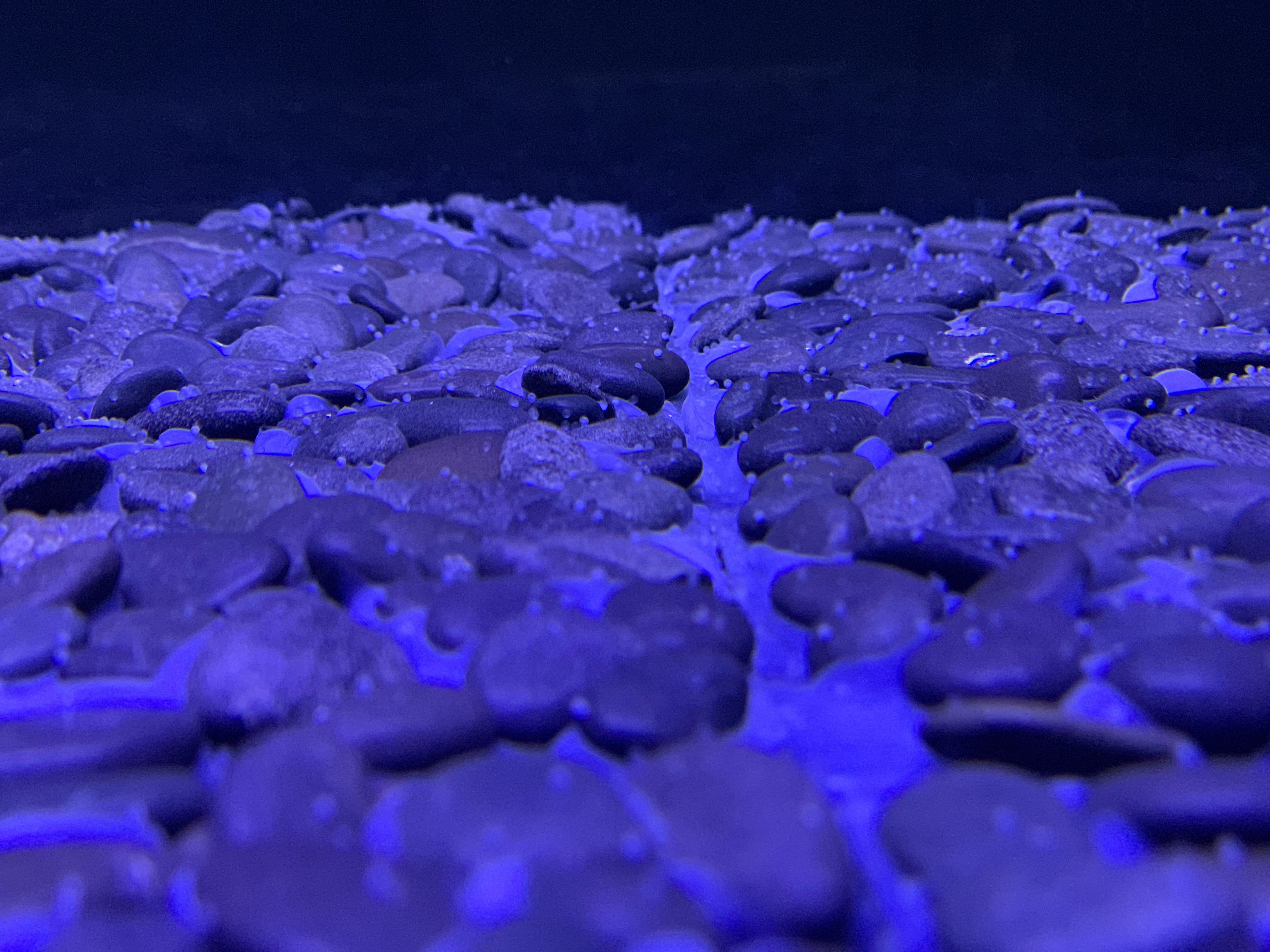
Fish eggs attached to gravel spawning substrate under blue light
Fish eggs on spawning substrate

Active sponsored work

2024–2026

Delta smelt × wakasagi hybridization risk

Investigating whether hybridization with non-native wakasagi poses a risk to the delta smelt population. The project connects reproductive behavior with conservation genetics and population management.

U.S. Fish and Wildlife Service · Principal Investigator
2024–2026

Sperm cryopreservation protocols for delta smelt

Developing repeatable protocols for collection, evaluation, freezing and recovery of delta smelt sperm. Genetic banking provides an additional safeguard for the species and supports long-term hatchery management.

U.S. Fish and Wildlife Service · Principal Investigator

Completed sponsored work

  • 2019–2022Improving the survival of delta smelt larval single-family groups in a conservation hatcheryU.S. Fish and Wildlife Service · Principal Investigator
  • 2018–2022Defining the fundamental niche of longfin smelt: physiological mechanisms of environmental toleranceCalifornia Department of Fish and Wildlife Proposition 1 · co-PI
  • 2019–2021Testing of wakasagi hatching frames for delta smelt spawningU.S. Fish and Wildlife Service · Principal Investigator
  • 2017–2021Determination of delta smelt spawning behavior using cultured fish to inform future spawning habitat restorationU.S. Fish and Wildlife Service · Principal Investigator
  • 2018–2020Determination of the refractory period between batch spawns for delta smeltU.S. Fish and Wildlife Service · co-PI

Representative publications

Selected across the career from papers led by Tien-Chieh Hung or published with him as corresponding author.

  1. 2024Laboratory-bred Longfin Smelt produced offspring in the first year in captivityHung TC*, Rahman MM, Lewis LS, Yang YC, Stevenson TA, Menard KL, Connon RE, Bell H, Fangue NA · North American Journal of Aquaculture 86(2), 228–233↗
  2. 2022Effects of the dilution medium and holding time on motility parameters of delta smelt semenRahman MM, Asadi Aghbolaghi M, Hung TC* · Theriogenology 197, 301–309↗
  3. 2021Characterization of spawning behavior in cultured delta smeltTsai YJJ, Chase S, Carson EW, Zweig L, Hung TC* · North American Journal of Aquaculture 83, 51–57 · Wiley top-downloaded article, 2021↗
  4. 2020Spawning microhabitat selection in wild-caught delta smelt under laboratory conditionsLindberg JC, Tsai YJJ, Kammerer BD, Baskerville-Bridges B, Hung TC* · Estuaries and Coasts 43(1), 174–181↗
  5. 2014Decline in feeding activity of female cultured delta smelt prior to spawningHung TC*, Eder KJ, Jafvert CT, Loge FJ · North American Journal of Aquaculture 76, 159–163↗
03

Aquacultural engineering, water treatment & AI monitoring

This research engineers the systems aquatic animals live in and the tools used to understand them: bio-inspired particle separation, recirculating aquaculture systems, nutrient removal with macrophytes and microalgae, and interpretable foundation-model methods for animal monitoring.

The program links physical system design with biological performance, from patented fluidic devices to non-invasive fish sex identification.

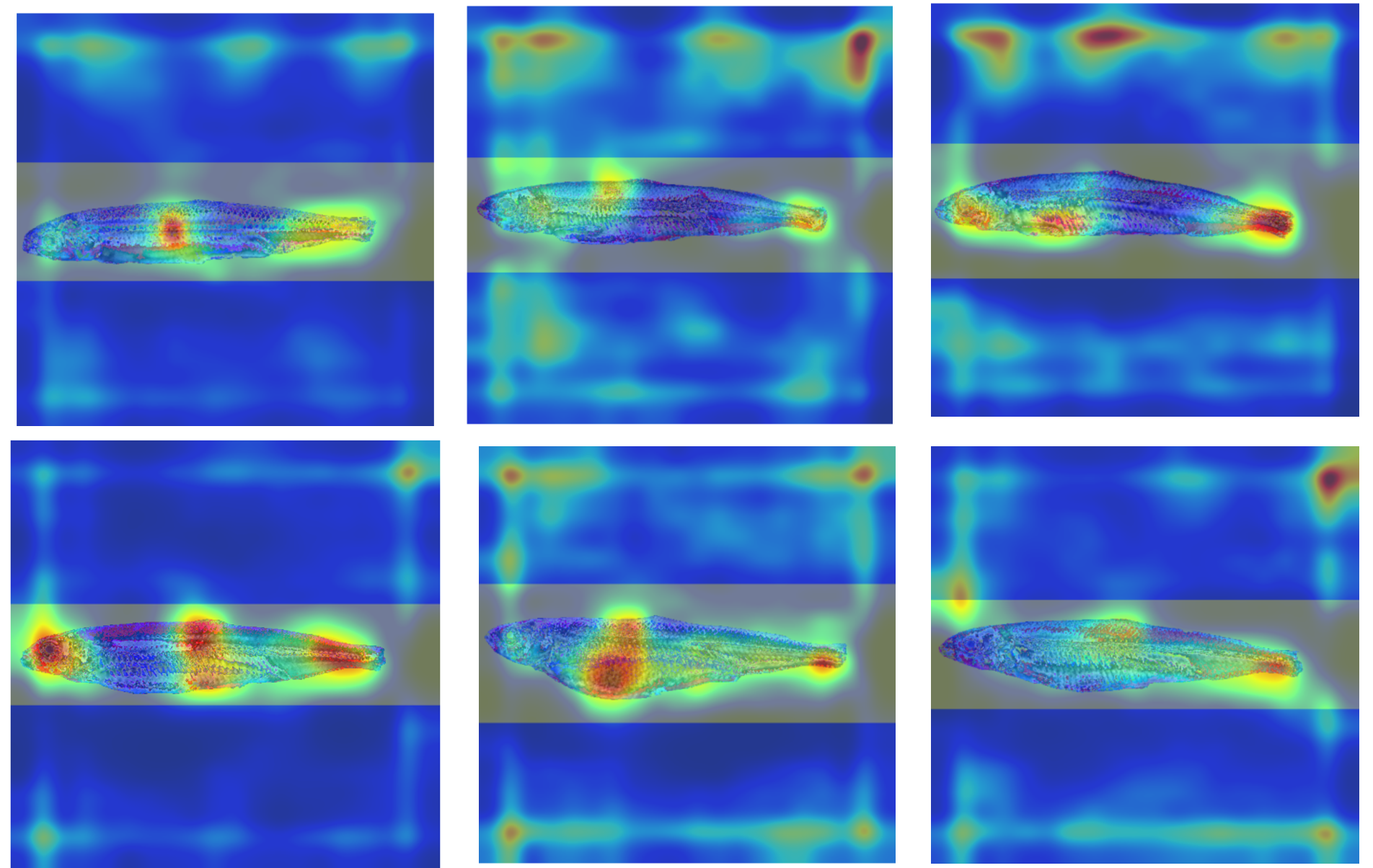
Six fish images overlaid with AI attention heatmaps for sex identification
AI-based fish sex identification using foundation models (Miao & Hung 2026)

Active sponsored work

2026–2027

Early detection and rapid response for golden mussel risks

Building an integrated detection and response framework for an invasive species that threatens hatchery and water-intake infrastructure. The project translates biological observations into operational protocols for managed water systems.

U.S. Fish and Wildlife Service · Principal Investigator

Completed sponsored work

  • 2023–2026Development of novel water-energy-food-ecosystem (WEFE) mini-complex based on a standalone renewable energy aquaponic agriculture desalination systemU.S.–Egypt Science and Technology Joint Fund · co-PI
  • 2004–2005Development of water dispersible granules, a safer pesticide formulationSBIR Taiwan · Principal Investigator

Representative publications

Selected across the career from papers led by Tien-Chieh Hung or published with him as corresponding author.

  1. 2026An interpretable framework using foundation models for fish sex identificationMiao Z, Hung TC* · Computers and Electronics in Agriculture 250, 111884↗
  2. 2020Comparison of nutrient removal and biomass production between macrophytes and microalgae for treating artificial citrus nursery wastewaterPutri FE, Hung TC* · Journal of Environmental Management 264, 110303↗
  3. 2020A review of fish identification methods applied on small fishesSandford M, Castillo G, Hung TC* · Reviews in Aquaculture 12(2), 542–554↗
  4. 2014Experimental validation of a novel bio-inspired particle separatorHung TC, Piedrahita RH · Aquacultural Engineering 58, 11–19↗
  5. 2012Bio-inspired particle separator design based on the food retention mechanism by suspension-feeding fishHung TC, Piedrahita RH, Cheer A · Bioinspiration & Biomimetics 7, 046003↗
  6. 2011The performance and impact of a bubble-wash bead filter in a recirculating green water larval culture system for delta smeltHung TC, Piedrahita RH · Aquacultural Engineering 45, 60–65↗

Patents: Piedrahita RH, Hung TC, Crossflow filtration particle separator, US 9,827,518 B2; Hung TC et al., Curvilinear fluidic device, U.S. Patent Application 63/505,500 (filed 2023).

04

Environmental physiology and toxicology

This direction examines how physical and chemical environments shape aquatic life—from temperature, salinity, turbidity and light to contaminants, pesticides and water-quality stressors. It measures preferences, tolerances, feeding, early-life performance and reproductive responses to inform conservation, culture and environmental management.

The work extends beyond delta smelt and longfin smelt through extensive collaborations in ecotoxicology, investigating effects on fishes, aquatic invertebrates and the food webs that support them.

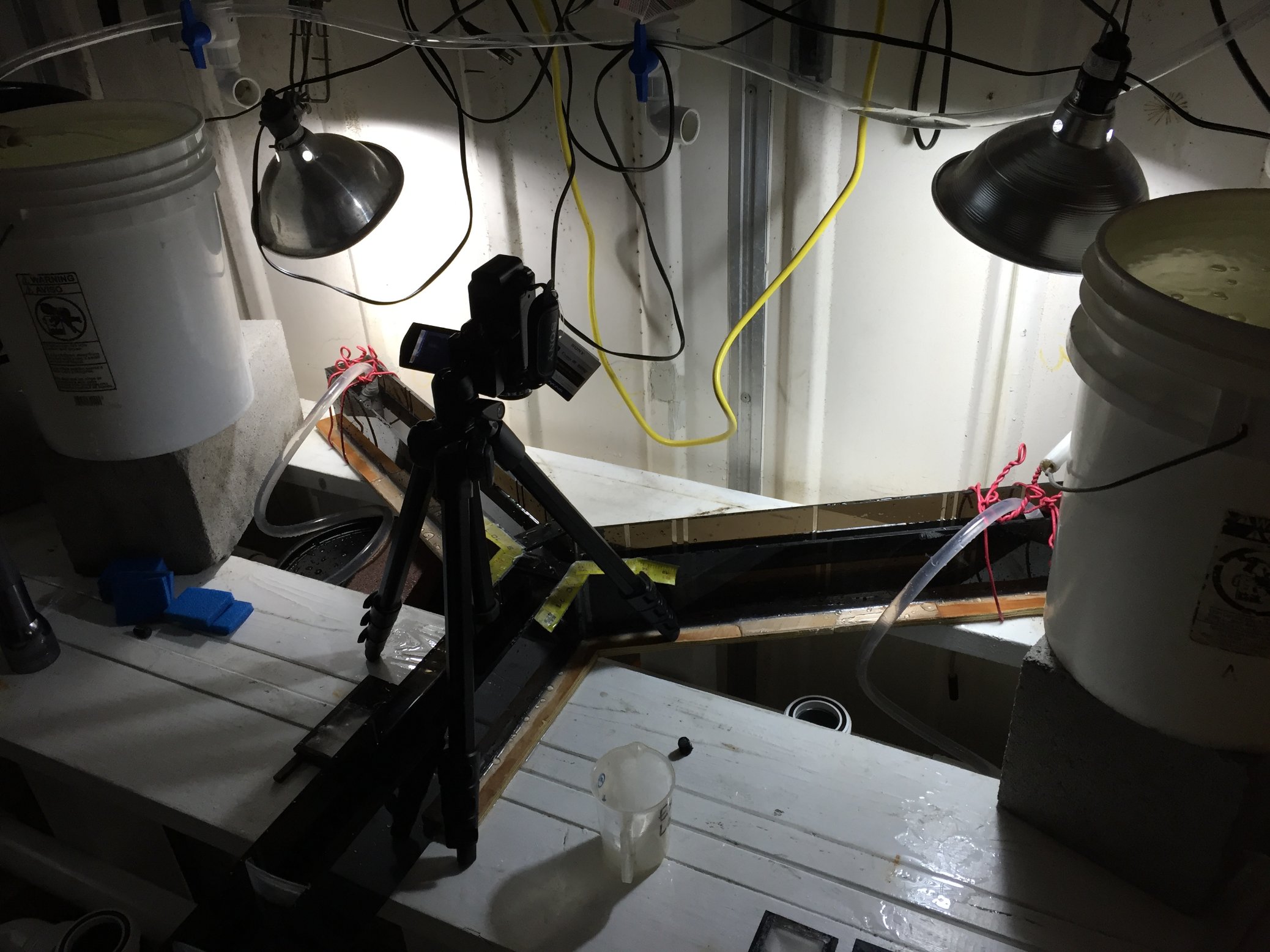
Fish behavioral experiment apparatus with a camera and overhead lighting
Behavioral experiment setup with video recording

Completed sponsored work

  • 2020–2023The significance of turbidity in safeguarding delta smelt from predation: growth, development, behavior and predationU.S. Fish and Wildlife Service · co-PI
  • 2016–2021Contaminant effects on two California fish species and the food web that supports themCalifornia Department of Fish and Wildlife Proposition 1 · co-PI

Representative publications

Selected across the career from papers led by Tien-Chieh Hung or published with him as corresponding author.

  1. 2022Temperature and salinity preferences of endangered Delta SmeltHung TC*, Hammock BG, Sandford M, Stillway M, Park M, Lindberg JC, Teh SJ · Scientific Reports 12, 16558↗
  2. 2022Early weaning in endangered Delta Smelt: effect of weaning time on growth and survivalHung TC*, Ellison L, Stevenson T, Sandford M, Schultz AA, Eads AR · North American Journal of Aquaculture 84, 249–260 · Wiley top-cited article, 2023↗
  3. 2022Captive rearing of longfin smelt: first attempt of weaning cultured juveniles to dry feedMulvaney W, Rahman MM, Lewis LS, Cheng J, Hung TC* · Animals 12, 1478↗
  4. 2020Effects of light and turbidity on feeding, growth, and survival of larval delta smeltTigan G, Mulvaney W, Ellison L, Schultz A, Hung TC* · Hydrobiologia 847(13), 2883–2894↗
  5. 2018Temperature, density and ammonia effects on growth and fecundity of the ramshorn snailHung TC*, Stevenson T, Sandford M, Gheremariam T · Aquaculture Research 49(2), 1072–1079↗
Laboratory leadership

Fish Conservation and Culture Laboratory

Tien-Chieh Hung has directed the Fish Conservation and Culture Laboratory at UC Davis since 2015, after serving as Assistant Director in 2014–2015. The university-operated conservation hatchery integrates daily animal care with recirculating aquaculture systems, water-quality management and engineering solutions for fish and other aquatic animals.

FCCL supports research and recovery work for endangered smelt species, including delta smelt and longfin smelt. Its role spans refuge-population maintenance, life-cycle culture development, reproductive studies and experiments that test how captive history influences later performance.

Teaching & mentoring

Engineering judgment grounded in biology

Courses connect biological requirements with mass balances, oxygen demand, ammonia production, water flow, treatment capacity and recirculating-system design. Tien-Chieh Hung also serves as a major advisor to Ph.D. and M.S. students in Biological Systems Engineering.

96staff members, postdoctoral researchers, visiting scholars, undergraduate researchers, interns and volunteers supervised since 2015. Their work has contributed to publications, conference presentations and a U.S. patent application naming undergraduate inventors.
Graduate Students

Current

  • Tavares, L.C.M. | Ph.D. candidate | Evaluating the use of an agricultural by-product for nitrate removal in recirculating aquaculture system (RAS) effluents
  • Miao, Z. | Ph.D. candidate | Construct an aquaculture foundation model for aquatic animal monitoring and its applications
  • Wong, J. | M.S. candidate | Investigating electrical impedance and a commercial infrared fish counter for counting delta smelt Hypomesus transpacificus

Former

  • Braun, J. | M.S., 2026 | Optimizing water management for ecological productivity on a simulated ephemeral floodplain
  • Putri, F. | Ph.D., advised 2019–2025 | Application of Moringa oleifera coagulant in recirculating aquaculture for solid management
  • Mata, R. | Ph.D., 2023 | Effects of climate change on the growth and chemical composition of primary producers and its impacts on coastal aquaculture
  • Lee, B. | M.S., 2023 | Application and modification of a wakasagi hatching box for delta smelt propagation
  • Tseng, Y.M. | M.S., 2023 | Improving conservation hatchery effectiveness: A study on alternative egg treatments for delta smelt Hypomesus transpacificus and longfin smelt Spirinchus thaleichthys
  • Putri, F. | M.S., 2019 | Optimization and water treatment strategies for nursery production in soilless culture systems

Postdoctoral & Project Scientists

  • Rahman, M.M. | 2021–present
  • Tsai, Y.J. | 2018–2025
  • Asadi Aghbolaghi, M. | 2021–2025
  • Eads, A. | 2019–2021
  • Mulvaney, W. | 2018–2020
  • Mosquera, T. | 2016

Undergraduate Senior Projects

  • Dala, S.; Greenway, M.; Maciosek, M.; Robinson, M. | 2025–2026 | Plug and play water treatment unit for recirculating aquaculture system
  • Lester, R.; Mueller, J.; Nguyen, H.; Wong, J. | 2022–2023 | Optimizing methods for spine separation and pigment extraction from sea urchins
  • Aguayo-Uribe, S.; Nguyen, S. | 2021–2022 | Physical separation of zooplankton for improving identification
  • Duane, R.; Ou, E.; Prieto, A. | 2020–2021 | Separation and processing of liquid waste from worm castings produced by BioFiltro’s wastewater treatment system
  • Fergusson, B.; Mathai, M.; Yee, C. | 2015–2016 | Fish Egg Mold Prevention
  • Liang, K.J.; Tang, S.; Wilmer, J. | 2015–2016 | Egg Separation and Counting Device
  • Anderson, G.; Manan, F.; Seshadri, S. | 2014–2015 | Culturing aquatic snails in a recirculating aquaculture system
Service & recognition

Contributing to the field

Editorial, professional-society and public-education service extend the research program beyond the laboratory.

Board of Directors
Aquacultural Engineering Society · 2026–present
Editorial service
Editorial Board Member, Scientific Reports · 2023–present; Guest Editor, Animals · 2021–2022; Springer Nature Editorial Contribution Award · 2026
Peer review
Reviewer for more than 40 journals; proposal reviewer for federal and Sea Grant programs
Professional memberships
American Fisheries Society; Aquacultural Engineering Society; World Aquaculture Society
Water education
Regular tour leader for the Water Education Foundation, Water Education for Latino Leaders and UC Davis field classes · 2014–2026

Background

Full Adjunct Professor
Biological & Agricultural Engineering, UC Davis · 2026–present; Associate Adjunct Professor · 2021–2026; Assistant Adjunct Professor · 2015–2021; Lecturer · 2015
Director
Fish Conservation and Culture Laboratory, UC Davis · 2015–present; Assistant Director · 2014–2015
Postdoctoral Scholar
UC Davis · 2012–2014
Ph.D., Biological Systems Engineering
UC Davis · 2012 · Dissertation: biomimetic solid/fluid separation
M.Sc. and B.Sc., Chemical Engineering
National Tsing Hua University · 2003; National Central University · 2001
Research & development
Chia Tai Enterprise Co., Taiwan · pesticide and fertilizer · 2003–2007
Contact

Research, student and partnership inquiries

Get in touch by email or through the UC Davis faculty directory. The complete publication record is available on Google Scholar.